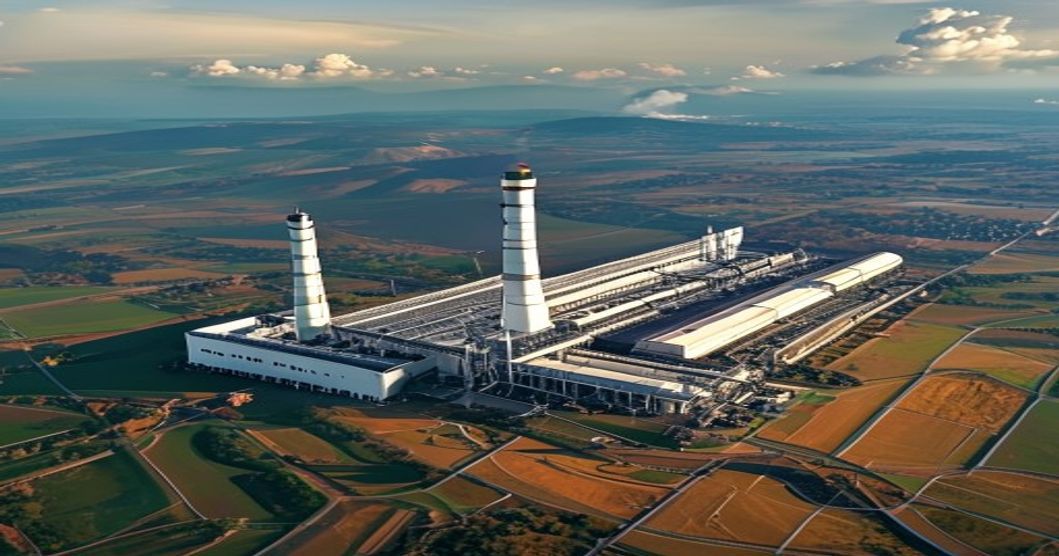
Kalpakkam Fast Breeder Reactor Achieves Criticality: A Leap Towards India's Energy Independence
Kalpakkam Fast Breeder Reactor Achieves Criticality: A Leap Towards India's Energy Independence
The Prototype Fast Breeder Reactor (PFBR) at Kalpakkam has achieved criticality, meaning the reactor has initiated a self-sustaining nuclear chain reaction. This milestone is a monumental achievement for India's nuclear energy program and a crucial step towards energy independence, particularly concerning the utilization of the country's vast thorium reserves. The Kalpakkam Fast Breeder Reactor represents a significant advancement in nuclear technology and a key component of India's ambitious three-stage nuclear program.
Significance of the PFBR
The successful criticality of the PFBR holds immense significance for several reasons. Primarily, it validates the design and technology of fast breeder reactors developed indigenously. This achievement places India among a select group of nations possessing the capability to design and operate such advanced nuclear reactors. According to official statements, the PFBR is expected to initially generate 500 MW of electricity, contributing substantially to the nation's power grid. This means a tangible boost to India's energy production capacity.
Furthermore, the PFBR is crucial for India's long-term energy security. India possesses limited uranium reserves but abundant thorium deposits. Fast breeder reactors can utilize thorium as fuel, converting it into fissile uranium-233. This process allows for the sustainable utilization of thorium, ensuring a long-term fuel supply for India's nuclear power plants. The implication is that India can reduce its dependence on imported uranium and achieve greater energy independence.
India's Three-Stage Nuclear Program
The PFBR is a cornerstone of India's three-stage nuclear program, conceived by Dr. Homi Bhabha. This program aims to utilize India's thorium reserves effectively. The three stages are:
- Stage 1: Pressurized Heavy Water Reactors (PHWRs): These reactors use natural uranium as fuel and heavy water as a moderator. They produce plutonium-239 as a byproduct.
- Stage 2: Fast Breeder Reactors (FBRs): These reactors, like the PFBR, use plutonium-239 from the PHWRs and convert uranium-238 into more plutonium-239. They also convert thorium into uranium-233.
- Stage 3: Advanced Heavy Water Reactors (AHWRs): These reactors will use uranium-233 derived from thorium to generate power. This stage completes the fuel cycle and allows for the full utilization of thorium.
The PFBR is the key to bridging Stage 1 and Stage 3, enabling the transition to a thorium-based nuclear fuel cycle. The implication is that India can eventually rely primarily on its domestic thorium reserves for nuclear power generation, reducing reliance on foreign uranium imports.
Comparison of Reactor Types
| Feature | Pressurized Heavy Water Reactor (PHWR) | Fast Breeder Reactor (FBR) | Advanced Heavy Water Reactor (AHWR) |
|---|---|---|---|
| Fuel | Natural Uranium | Plutonium-239, Uranium-238 | Uranium-233, Thorium |
| Moderator | Heavy Water | None | Heavy Water |
| Purpose | Produce Plutonium-239 | Breed Plutonium, Convert Thorium | Utilize Thorium |
| Stage in Program | Stage 1 | Stage 2 | Stage 3 |
| Resource Dependence | Uranium | Plutonium | Thorium |
Contribution to Energy Security
India's energy demand is rapidly increasing, driven by economic growth and a growing population. Nuclear energy offers a clean and reliable alternative to fossil fuels. The PFBR's contribution to energy security is multifaceted:
- Reduced Dependence on Fossil Fuels: By generating electricity through nuclear fission, the PFBR helps reduce India's reliance on imported fossil fuels, mitigating price volatility and supply disruptions.
- Diversification of Energy Sources: The PFBR diversifies India's energy mix, making the country less vulnerable to fluctuations in the global energy market. Currently, nuclear energy contributes only about 3% to India's total electricity generation, but this is expected to increase significantly with the deployment of more nuclear reactors, including FBRs. This means greater resilience in the face of geopolitical instability.
- Sustainable Energy Source: Nuclear energy is a low-carbon energy source, contributing to India's efforts to mitigate climate change and meet its international commitments under the Paris Agreement. The PFBR, by utilizing thorium, offers a sustainable and long-term energy solution.
Expert analysis suggests that the successful operation of the PFBR will not only enhance India's energy security but also position the country as a leader in advanced nuclear technology. This achievement will encourage further investment in nuclear research and development, fostering innovation and creating new opportunities in the energy sector.
FAQ
What is a Fast Breeder Reactor? A Fast Breeder Reactor (FBR) is a type of nuclear reactor that breeds more fissile material than it consumes. It uses fast neutrons to convert fertile materials, such as uranium-238 or thorium, into fissile materials, such as plutonium-239 or uranium-233. This allows for the sustainable utilization of nuclear fuel resources.
Why is the Kalpakkam PFBR significant for India? The Kalpakkam PFBR is significant because it is a crucial component of India's three-stage nuclear program. It enables the utilization of India's vast thorium reserves by converting thorium into uranium-233. This reduces India's dependence on imported uranium and enhances its energy security.
What is India's three-stage nuclear program? India's three-stage nuclear program, conceived by Dr. Homi Bhabha, aims to utilize the country's thorium reserves effectively. It involves using Pressurized Heavy Water Reactors (PHWRs) to produce plutonium, then using Fast Breeder Reactors (FBRs) to breed more plutonium and convert thorium to uranium-233, and finally using Advanced Heavy Water Reactors (AHWRs) to utilize uranium-233 for power generation.
How does the PFBR contribute to energy security? The PFBR contributes to energy security by enabling the utilization of thorium, a domestically abundant resource. This reduces India's reliance on imported uranium and fossil fuels, diversifying the energy mix and mitigating price volatility. The PFBR also provides a sustainable and low-carbon energy source, contributing to climate change mitigation efforts.