UAE Nuclear Plant Drone Attack: A Dangerous Escalation in the Middle East
UAE Nuclear Plant Drone Attack: A Dangerous Escalation in the Middle East
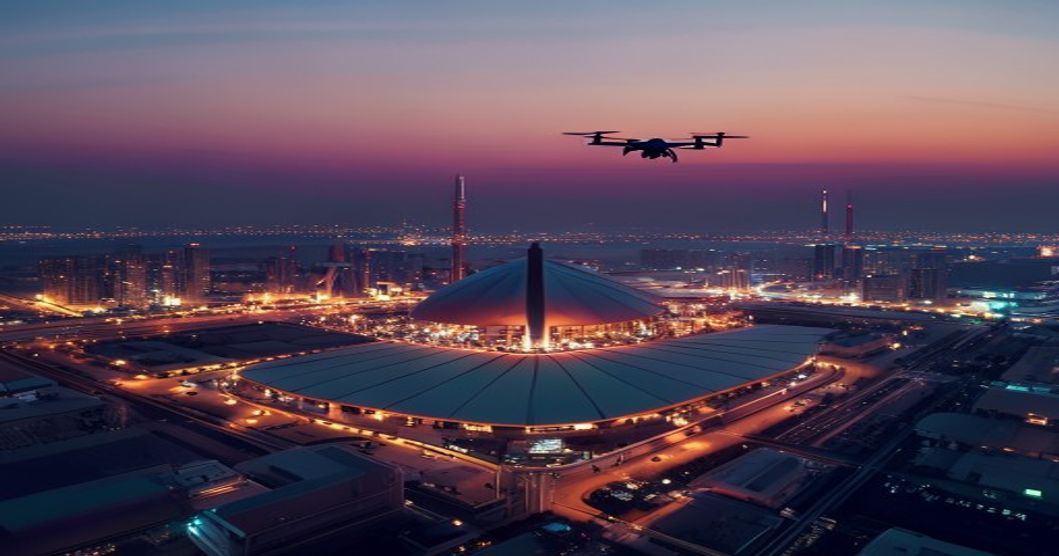
The drone attack near the UAE nuclear plant represents a significant escalation of regional tensions, raising serious concerns about nuclear security and stability in the Middle East. This incident, which the UAE has condemned as a "dangerous escalation," has sent ripples throughout the international community, prompting urgent calls for de-escalation and enhanced security measures. The UAE nuclear plant drone attack highlights the vulnerability of critical infrastructure in a region already fraught with geopolitical risks.
Potential Actors and Motivations
Identifying the perpetrator behind the drone attack is crucial to understanding the motivations and potential consequences. While no group has claimed responsibility, suspicion has largely fallen on Iran or Iranian-backed proxies. Several factors contribute to this assessment:
- Regional Rivalry: The UAE and Iran have a long-standing rivalry, fueled by differing geopolitical interests and sectarian divisions. Iran views the UAE's growing influence in the region, particularly its close ties with the United States and Israel, as a threat to its own security and regional ambitions. The implication is that Iran might seek to undermine the UAE's strategic assets.
- Nuclear Ambitions: Iran's own nuclear program has been a source of international concern for years. Some analysts believe that the drone attack could be a message from Iran, demonstrating its ability to retaliate against any perceived threats to its nuclear facilities. According to the International Atomic Energy Agency (IAEA), Iran has significantly increased its uranium enrichment capabilities in recent years, further heightening these concerns.
- Proxy Warfare: Iran has a history of using proxy groups in the region to advance its interests and exert influence. Groups like the Houthis in Yemen and various militias in Iraq have been known to carry out attacks on behalf of Iran. This means the attack could have been orchestrated by one of these groups, acting on Iran's behalf, providing deniability for Tehran.
It is also crucial to consider other potential actors, such as extremist groups or state-sponsored entities seeking to destabilize the region. However, the sophistication of the attack and the strategic target suggest a level of planning and resources that are more likely associated with a state actor or a well-funded proxy group.
Impact on Regional Stability and Nuclear Security
The drone attack has several significant implications for regional stability and nuclear security:
- Escalation of Tensions: The attack further escalates tensions between the UAE and Iran, potentially leading to a wider conflict. The UAE may feel compelled to retaliate, either directly or through its allies, which could trigger a dangerous cycle of escalation. According to a report by the Council on Foreign Relations, the risk of direct military confrontation between Iran and its regional rivals has increased significantly in recent years.
- Undermining Nuclear Security: The attack raises serious questions about the security of nuclear facilities in the region. The Barakah nuclear power plant is a critical infrastructure asset, and any successful attack on it could have catastrophic consequences. The implication is that other countries in the region with nuclear programs may need to reassess their security measures.
- Impact on UAE's Nuclear Program: The attack could undermine public confidence in the UAE's nuclear program. The UAE has invested heavily in nuclear energy as part of its efforts to diversify its energy sources and reduce its reliance on fossil fuels. The incident may lead to increased scrutiny of the program and potentially delay future expansion plans. As of 2023, the Barakah plant supplies approximately 20% of the UAE's electricity needs.
Comparison of Regional Nuclear Security Measures
| Country | Nuclear Facilities | Security Measures | Challenges |
|---|---|---|---|
| UAE | Barakah Nuclear Power Plant | Advanced security systems, international oversight | Relatively new program, potential for external threats |
| Iran | Bushehr Nuclear Power Plant, various research reactors | Heavily guarded, but subject to international sanctions | Aging infrastructure, potential for internal sabotage |
| Saudi Arabia | Planned nuclear power plants | Developing security infrastructure, seeking international partnerships | Lack of experience, geopolitical instability |
| Israel | Dimona Nuclear Reactor (undeclared) | Highly secretive, advanced security measures | Lack of transparency, regional tensions |
International Response and Future Prevention
The international community has largely condemned the drone attack and called for a thorough investigation. The United States, the European Union, and other countries have expressed their support for the UAE and offered assistance in enhancing its security measures. The IAEA has also reiterated its commitment to ensuring the safety and security of nuclear facilities worldwide.
Preventing future attacks on critical infrastructure in the region requires a multi-faceted approach:
- Enhanced Security Measures: Countries in the region need to invest in advanced security systems, including drone detection and interception technologies, to protect their critical infrastructure assets. This includes physical security enhancements, cybersecurity measures, and intelligence gathering capabilities.
- Diplomatic Efforts: De-escalating tensions between regional rivals is crucial to preventing future conflicts. This requires sustained diplomatic efforts, including dialogue, confidence-building measures, and arms control agreements. The implication is that international mediators need to engage with all parties involved to find common ground and address underlying grievances.
- International Cooperation: Strengthening international cooperation on nuclear security is essential to preventing nuclear terrorism and proliferation. This includes sharing best practices, providing technical assistance, and enforcing international norms and standards. The IAEA plays a critical role in this regard, but its effectiveness depends on the willingness of member states to cooperate and share information. According to the Nuclear Threat Initiative (NTI), global nuclear security standards need to be strengthened to address emerging threats, such as cyberattacks and insider threats.
FAQ
Who is suspected of carrying out the drone attack on the UAE nuclear plant?
While no group has claimed responsibility, suspicion has largely fallen on Iran or Iranian-backed proxies. This is due to the long-standing rivalry between the UAE and Iran, Iran's history of using proxy groups, and the strategic nature of the target. The sophistication of the attack also suggests a level of planning and resources that are more likely associated with a state actor or a well-funded proxy group.
What are the potential geopolitical ramifications of this attack?
The attack could escalate tensions between the UAE and Iran, potentially leading to a wider conflict. It also raises serious questions about the security of nuclear facilities in the region and could undermine public confidence in the UAE's nuclear program. The incident may also prompt other countries in the region to reassess their security measures and potentially delay future expansion plans for nuclear programs.
How does this incident affect the UAE's nuclear energy program?
The attack could undermine public confidence in the UAE's nuclear program, which is a key part of its energy diversification strategy. It may lead to increased scrutiny of the program and potentially delay future expansion plans. The UAE will likely need to invest in enhanced security measures to reassure the public and international community about the safety and security of its nuclear facilities.
What measures are being taken to prevent future attacks on critical infrastructure in the region?
Preventing future attacks requires a multi-faceted approach, including enhanced security measures, diplomatic efforts, and international cooperation. Countries in the region need to invest in advanced security systems, engage in dialogue to de-escalate tensions, and strengthen international cooperation on nuclear security. The IAEA plays a crucial role in this regard, but its effectiveness depends on the willingness of member states to cooperate and share information.